
Why Melbourne Sits Near a Failed Geological Disaster

Why Melbourne Sits Near a Failed Geological Disaster

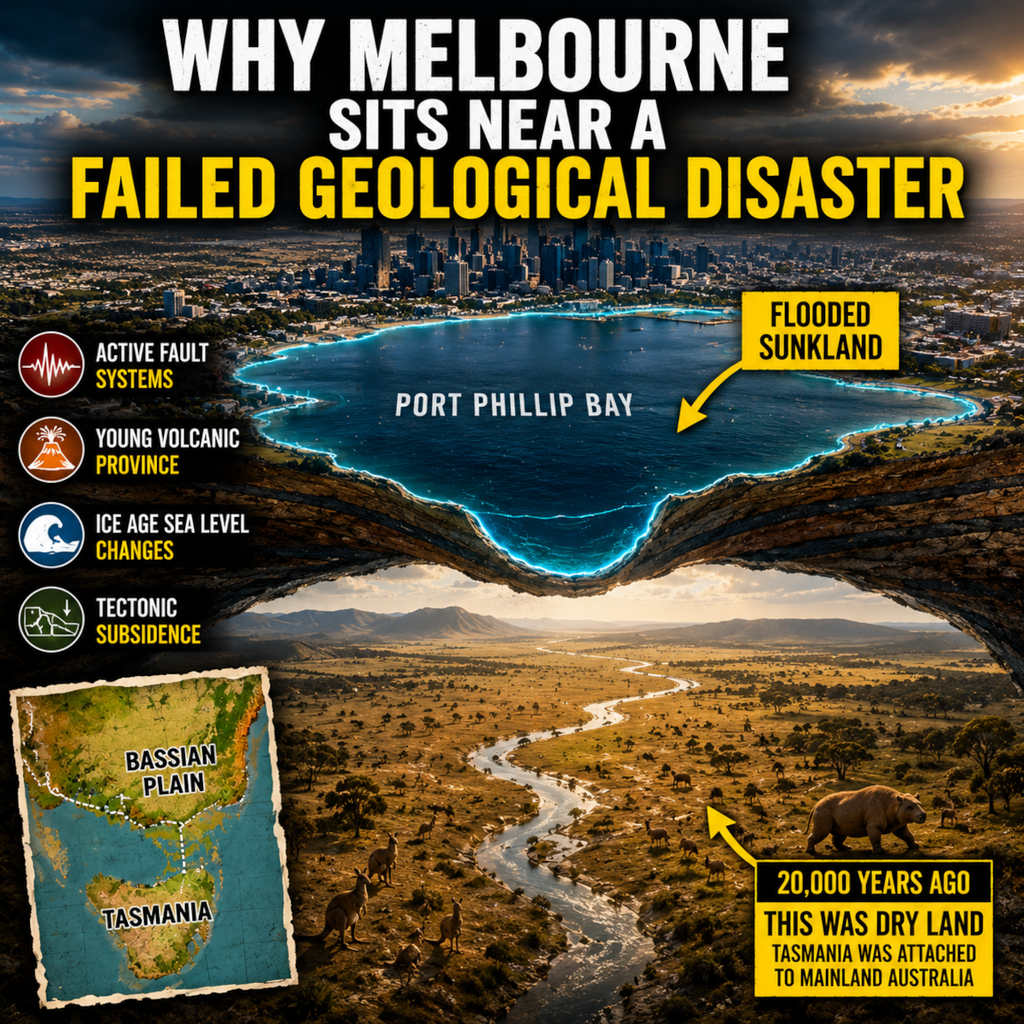
Melbourne looks stable, but the geology beneath Port Phillip Bay tells a far stranger story. In this Australian geology documentary, discover how tectonic faulting, the Port Phillip Sunkland, ancient earthquakes, volcanic eruptions from the Newer Volcanics Province, and dramatic ice age sea level changes helped create modern Melbourne. Travel back to a time when Bass Strait was dry land, Tasmania was connected to mainland Australia, and the Yarra River flowed across the lost Bassian Plain. This is the hidden geological history of Melbourne, Victoria, and one of Australia’s most extraordinary drowned landscapes.
Australia’s Atlantis: The Bassian Plain

Australia’s Atlantis: The Bassian Plain

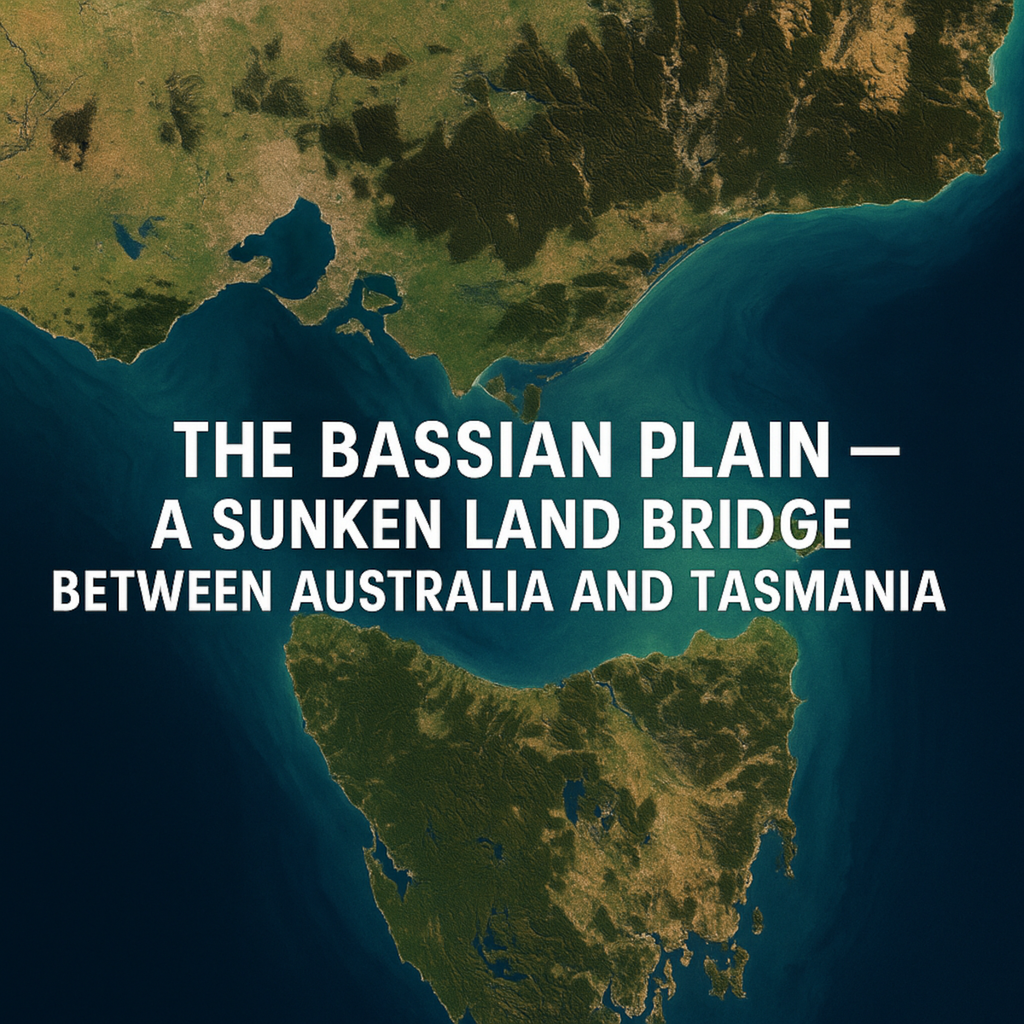
Beneath the waves of Bass Strait lies the Bassian Plain, a vast submerged shelf that once connected mainland Australia to Tasmania. During the last ice age, when sea levels were over 120 metres lower, this area formed a land bridge across which plants, animals, and early humans migrated.

Stretching between Victoria and Tasmania, the Bassian Plain is part of the Southeast Australian continental shelf, composed of ancient sediments and marine deposits. Today, it’s covered by relatively shallow waters averaging only 50 metres deep, but sonar mapping reveals old river channels and dune systems frozen in time beneath the seafloor.

This sunken landscape is crucial for understanding past climate changes, human migration routes, and marine biodiversity. It’s both a geological archive and an underwater ecosystem rich with marine life, shaped by powerful currents and seasonal upwellings.

Translation missing: en.general.search.loading