One of The Richest (& Strangest) Goldfields in Australia: Charters Towers

One of The Richest (& Strangest) Goldfields in Australia: Charters Towers

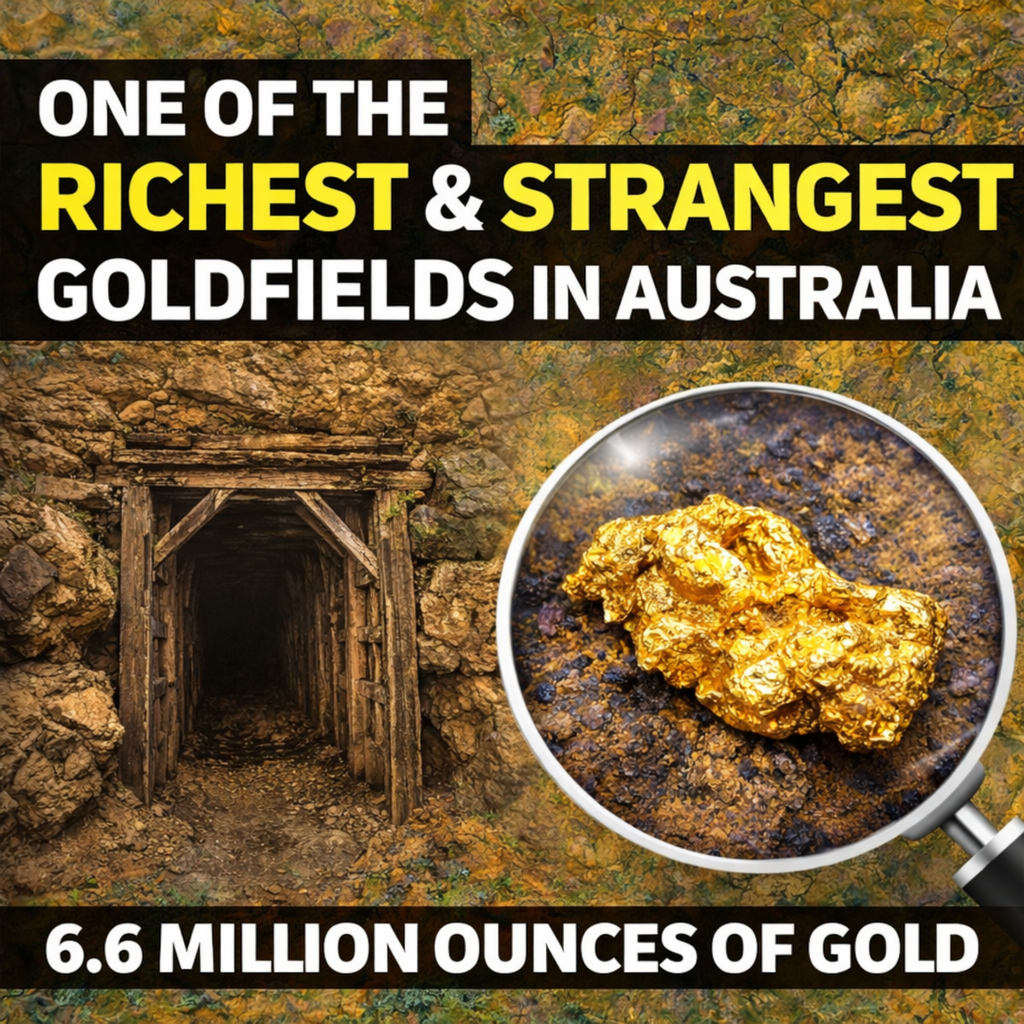
Discover the incredible story of the Charters Towers goldfield, one of the richest and most unusual gold discoveries in Australian history. Producing over 6.6 million ounces of gold—worth nearly $48 billion today—this legendary goldfield stands apart for its hard rock discovery, extreme 34 g/t gold grades, and unique orogenic quartz reef geology. Learn how gold formed deep within the Ravenswood Batholith, why there was almost no alluvial gold, and how miners chased narrow, high-grade quartz veins to depths of 1,000 metres. This is the geology, history, and science behind one of Australia’s strangest and richest goldfields.

The Recent Discovery of The Largest Gold Deposit on Earth

The Recent Discovery of The Largest Gold Deposit on Earth

China is claiming the discovery of the largest gold deposit ever found, buried deep beneath the Wangu goldfields in Hunan Province. Described in headlines as a “supergiant” gold discovery, the deposit is being promoted with extraordinary figures despite still being in an early exploration phase. This article breaks down the real geology behind the Wangu goldfield, explaining how ancient subduction processes created deep orogenic gold systems similar to Victoria’s goldfields, why the gold itself is geologically young, and how surface workings failed to reveal the true scale of mineralisation. We explore what deep drilling up to two kilometres actually means for mining costs, why much of the gold is refractory and locked in sulfides, and why calling this the largest gold discovery in the world at this stage is scientifically irresponsible. This is a grounded, geology-driven look at hype versus reality in modern gold exploration.

Translation missing: en.general.search.loading