
Why Most People Fail at Gold Detecting Full Time

Why Most People Fail at Gold Detecting Full Time

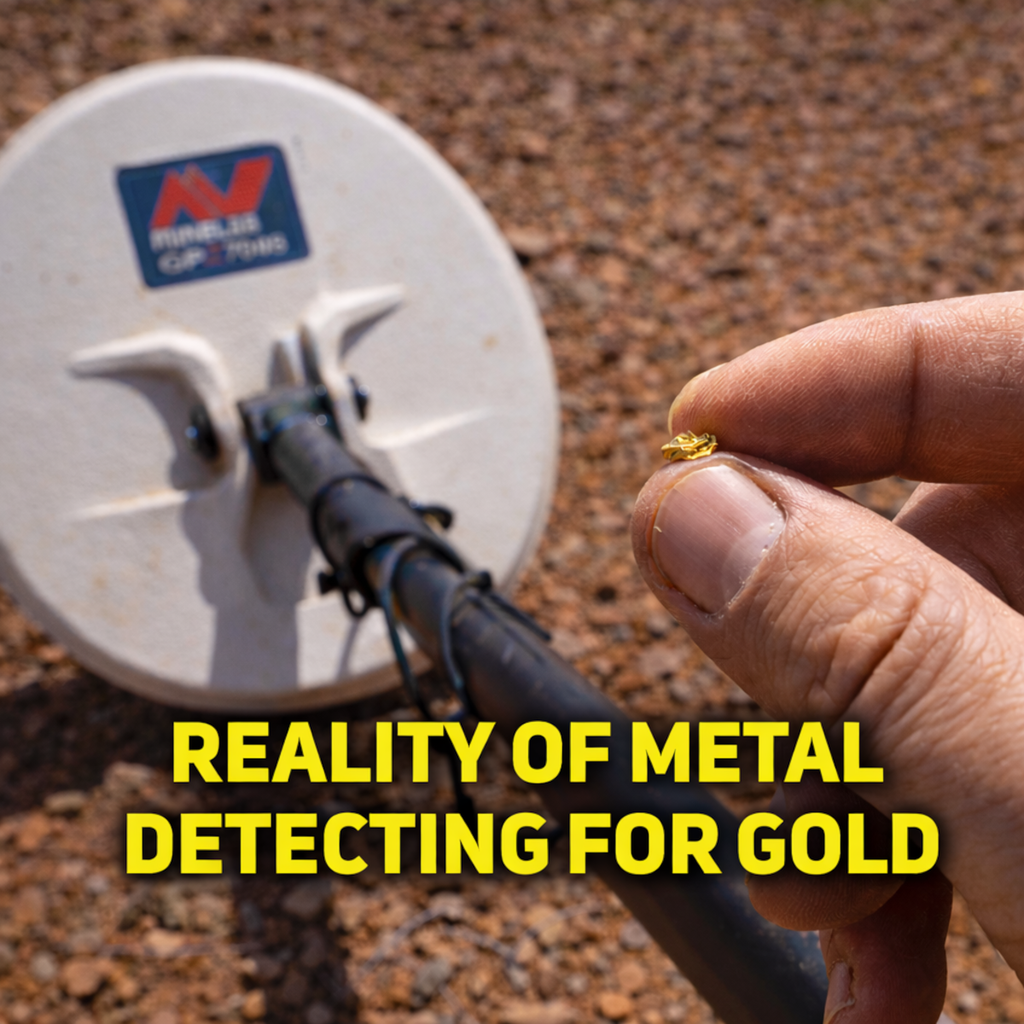
Metal detecting for gold is often portrayed as the easiest way to strike it rich, especially during periods of high gold prices. This article breaks down the real-world realities of attempting to metal detect full time, using Australian conditions as the framework while explaining why the same challenges apply globally. It explores the true cost of detectors, the problem of deep trash, intense competition, physical strain, ground depletion, and income volatility. From public land limitations to private access myths, this piece explains why metal detecting can work for a small number of people, why it fails for most, and what full-time detecting actually looks like once the excitement wears off.
GPX 6000 vs GPZ 7000: Which Is Better?

GPX 6000 vs GPZ 7000: Which Is Better?

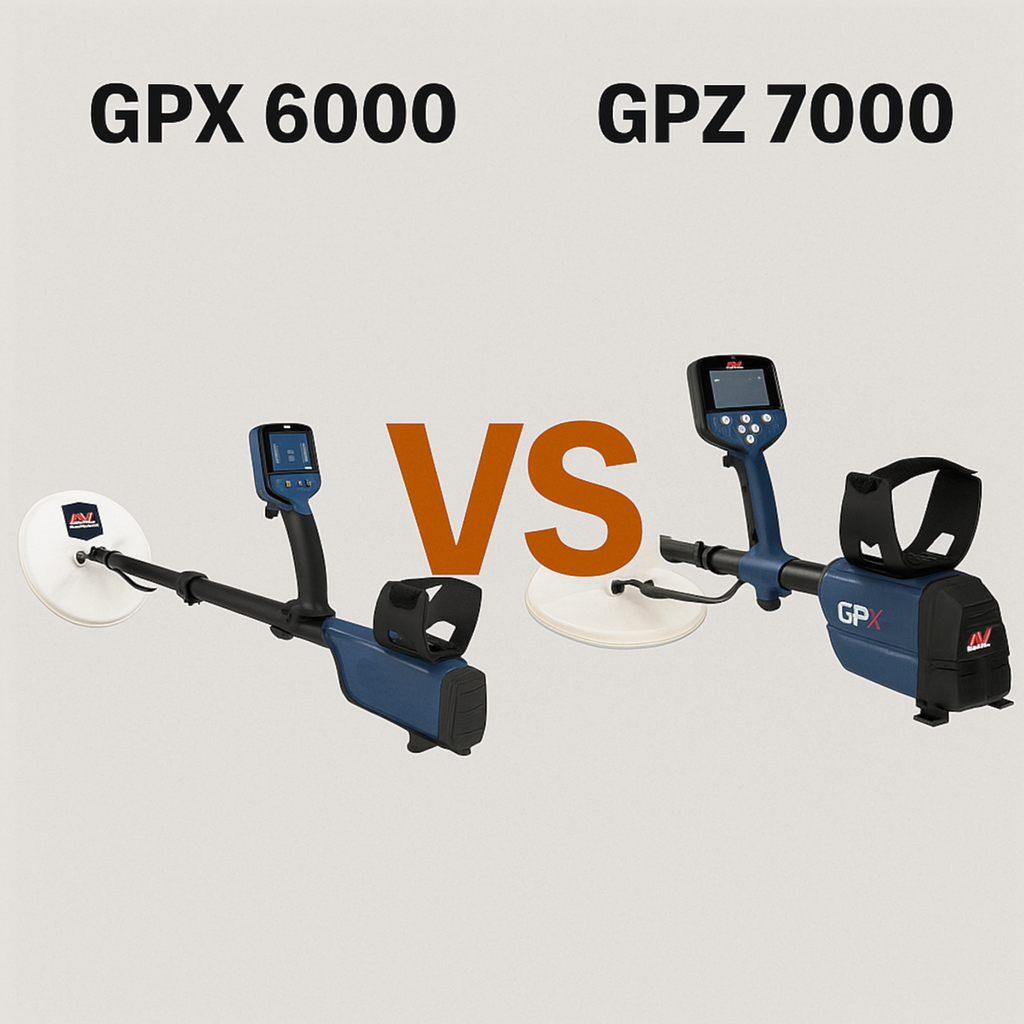
If you’re deciding between the Minelab GPX 6000 and the GPZ 7000 for serious gold prospecting in Australia, this in-depth comparison breaks down everything you need to know. We explore gold detection depth, performance in mineralized ground, sensitivity to fine gold, and real-world usability across the Victorian and Western Australian goldfields. Whether you’re chasing shallow alluvial nuggets or deeper targets missed by older machines, this guide helps you choose the best gold detector for your prospecting style. Find out how the GPX 6000’s lightweight design and sharp sensitivity stacks up against the GPZ 7000’s legendary depth and powerful ZVT technology.

Translation missing: en.general.search.loading