One of Earth's Youngest Impact Craters: The Henbury Craters

One of Earth's Youngest Impact Craters: The Henbury Craters

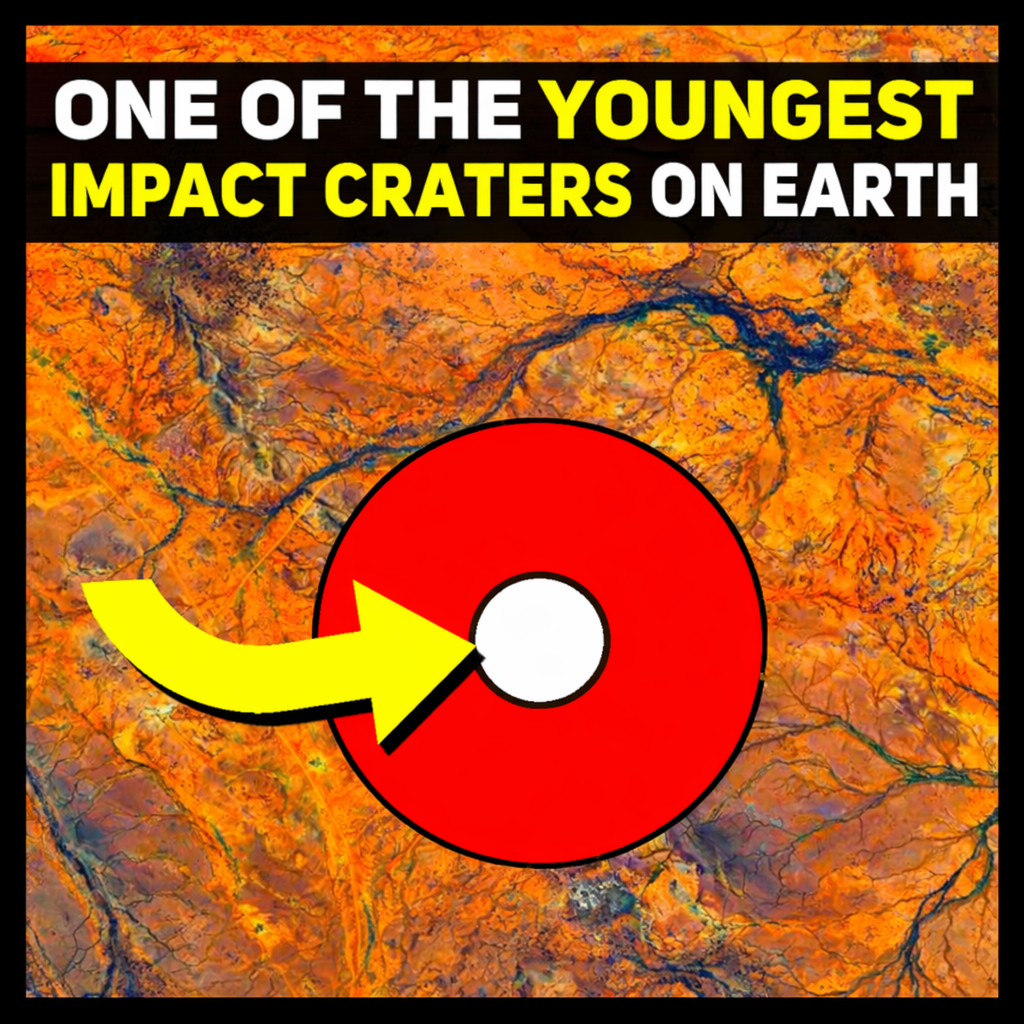
Around 5,000 years ago, a meteorite struck central Australia, carving the Henbury crater field into ancient Proterozoic rock south of Alice Springs. This rare and remarkably young meteorite impact site preserves multiple craters formed when an iron meteorite fragmented before hitting the ground within human history. The Henbury craters offer one of the clearest examples on Earth of a recent asteroid impact, combining geological evidence, preserved meteorite fragments, and Indigenous oral traditions that describe fire falling from the sky. Today, Henbury stands as one of the youngest confirmed meteorite impact sites on the planet and a powerful reminder that Earth remains vulnerable to objects from space.

The Massive Asteroid Impact in Central Australia

The Massive Asteroid Impact in Central Australia

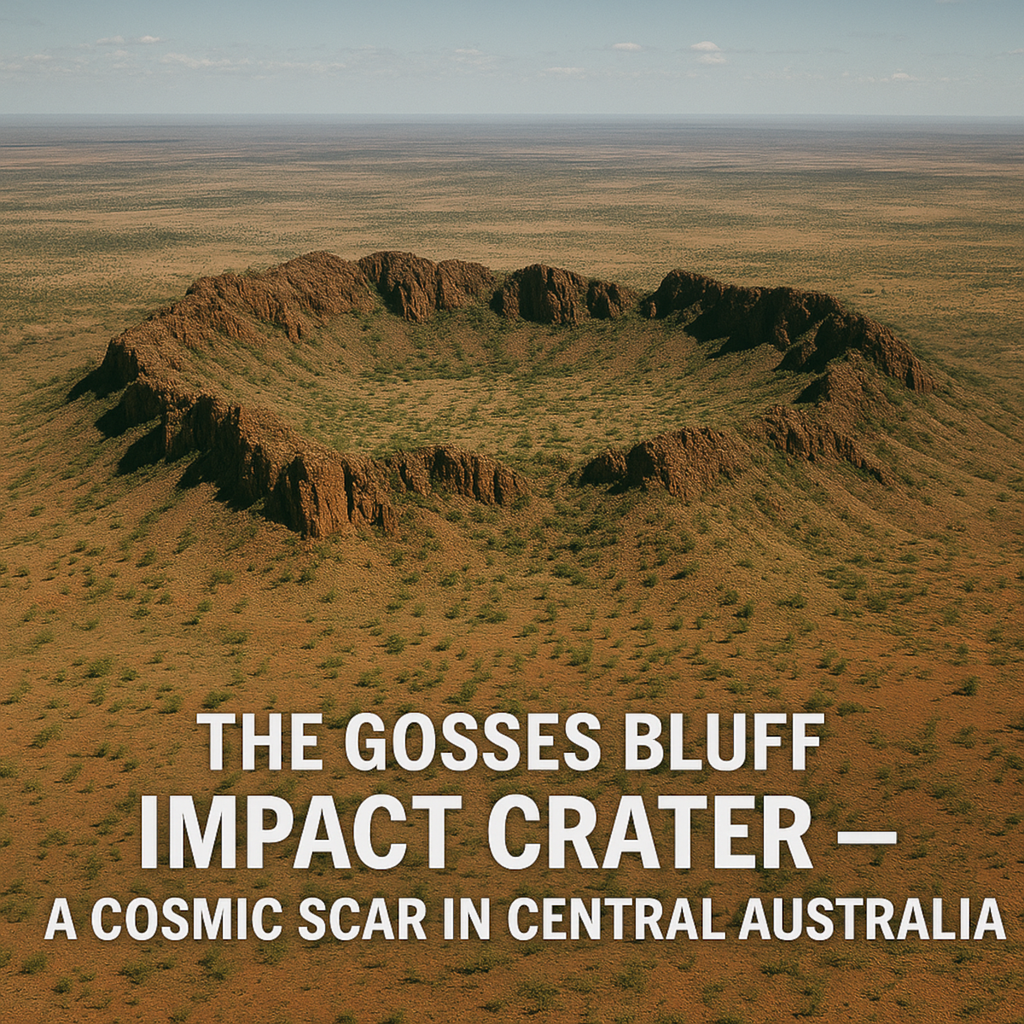
Deep in the heart of the Northern Territory lies Gosses Bluff, known to the Western Arrernte people as Tnorala. This striking ring-shaped mountain range, 22 km across, is the eroded remnant of a massive asteroid impact that occurred around 142 million years ago during the early Cretaceous.

Originally, the impact crater may have been up to 24 km wide and several kilometres deep. Over millions of years, erosion has stripped away much of the original structure, leaving a dramatic central uplift—a feature common in large impact craters. The bluff’s distinctive circular form is visible even from space.

For the Western Arrernte people, Tnorala holds deep cultural significance, woven into Dreamtime stories that speak of a fallen star. Scientifically, it offers an invaluable window into Earth’s violent past and the role of cosmic impacts in shaping our planet’s surface.

The Massive Shoemaker Asteroid Crater in Australia

The Massive Shoemaker Asteroid Crater in Australia

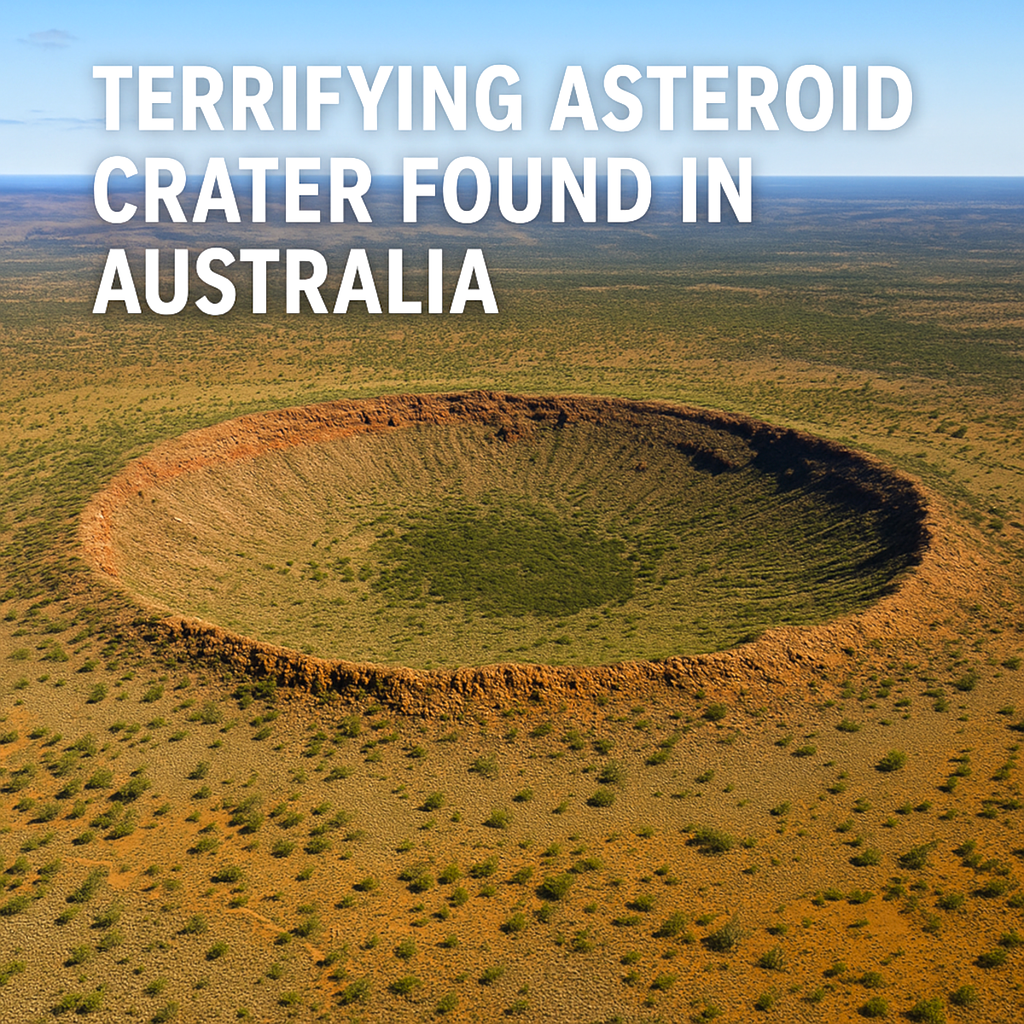
Hidden in the rugged outback of Western Australia lies one of Earth’s most dramatic reminders of cosmic violence — the Shoemaker Crater, a massive impact site carved into the crust by an asteroid over 1.6 billion years ago. Once thought to be volcanic in origin, this ancient structure stunned scientists when unmistakable evidence of a meteorite impact was uncovered: shocked quartz, rare minerals, and telltale signs of colossal pressure. The scale of the impact that formed Shoemaker Crater rivals nuclear detonation zones, offering a sobering glimpse into the destructive power of space rocks that have shaped our planet's history. Today, it stands as both a geological curiosity and a planetary warning.

Translation missing: en.general.search.loading