The Hapcheon Impact Structure in South Korea

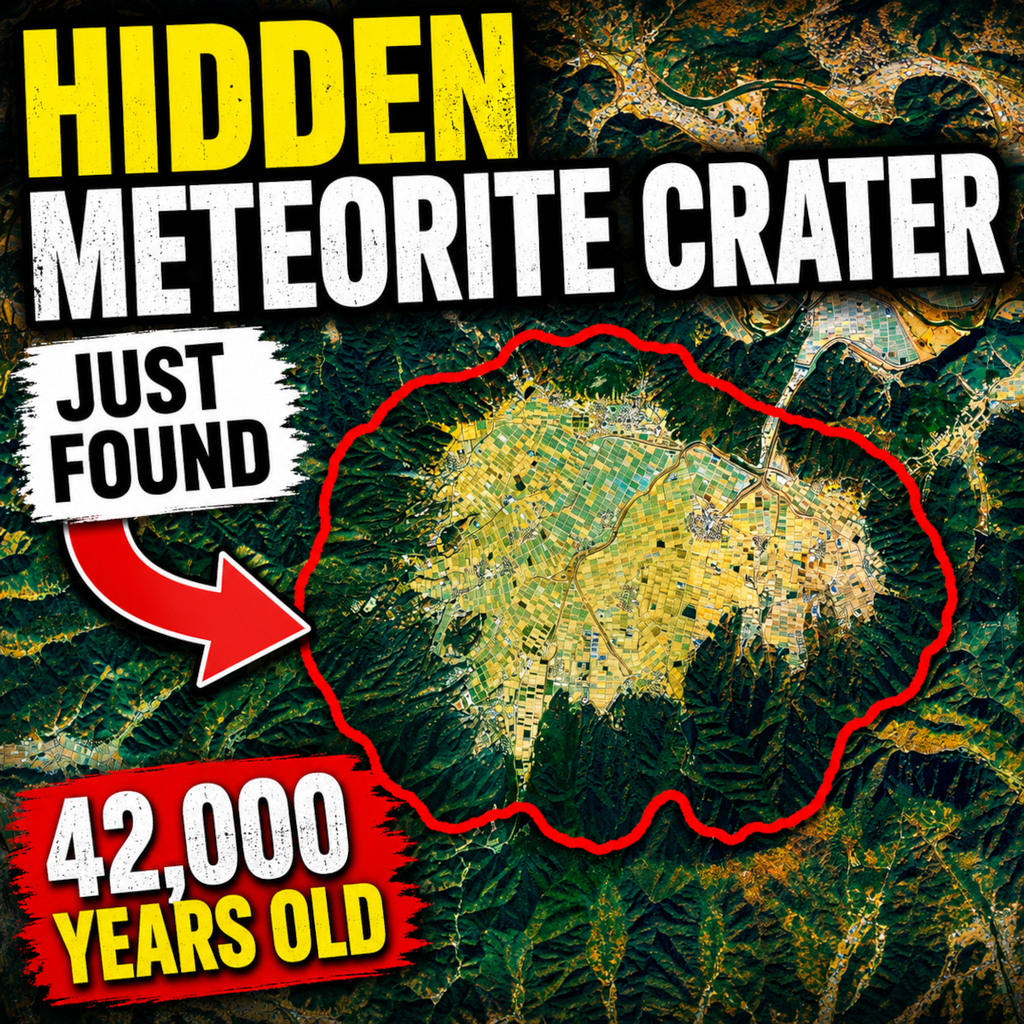
The Hapcheon Impact Structure in South Korea

42,000 years ago, a massive meteorite impact struck Earth, creating the hidden Hapcheon impact crater in South Korea. Recently confirmed by scientists, this ancient asteroid impact formed a complex crater, a hydrothermal crater lake, and evidence of post-impact microbial life. Explore the geology, meteorite impact science, asteroid collision history, shocked quartz, shatter cones, and the incredible story of one of Earth’s youngest major impact craters.

The Strangest Silver Discovery in Australia: Zeehan and Dundas

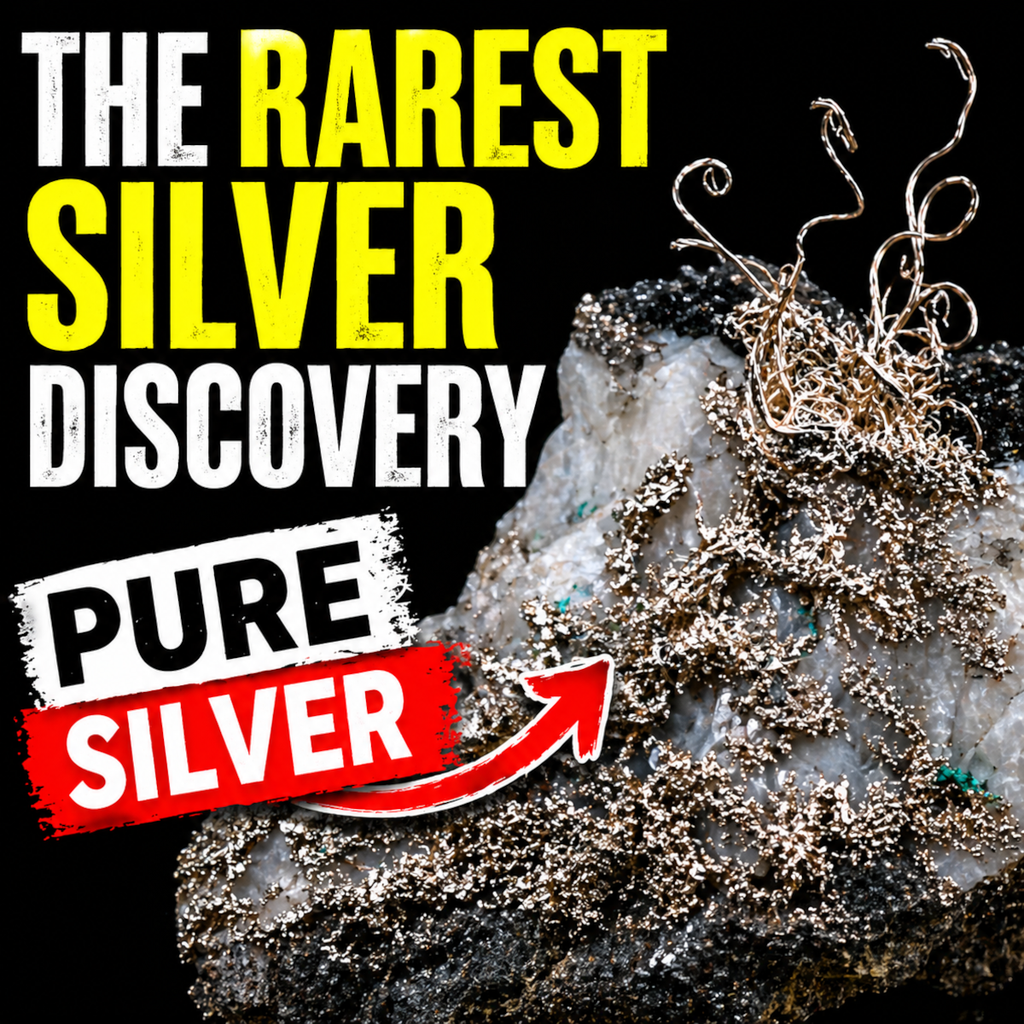
The Strangest Silver Discovery in Australia: Zeehan and Dundas

Discover one of the strangest and rarest silver discoveries in Australia, where silver forms as visible, pure metal instead of being locked inside sulfide ores. This video explores the unique geology of the Zeehan and Dundas silver field in Tasmania, explaining how hydrothermal systems, oxidation, and fluid movement combined to naturally produce native silver, including wire silver and dendritic formations. Learn why most silver is normally hidden within minerals, why it requires processing to extract, and how this rare geological environment allowed nature to do the work, creating visible silver in rock. This breakdown of native silver formation, secondary enrichment, and oxidation zones reveals a side of silver geology that most people never see.

The Devastating 100 Metre Tall MEGA TSUNAMI of 1888

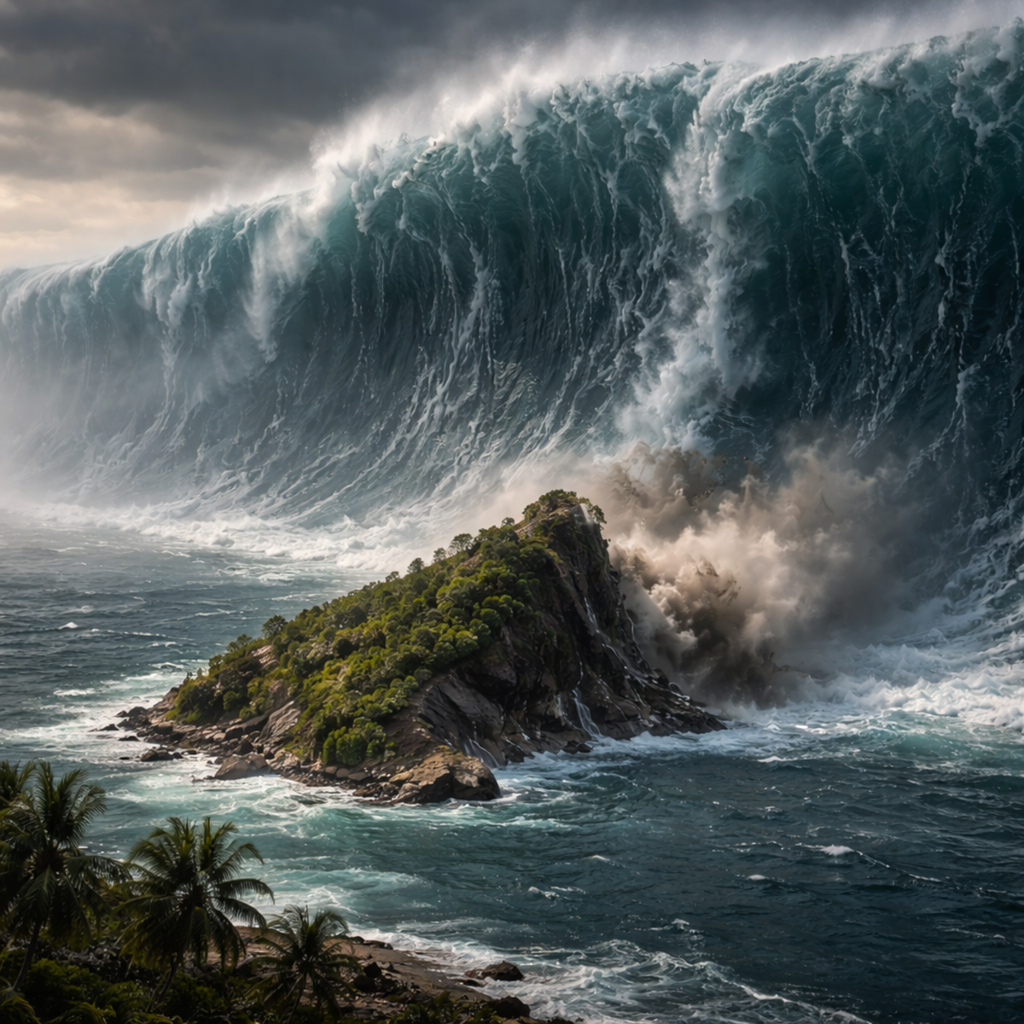
The Devastating 100 Metre Tall MEGA TSUNAMI of 1888

In 1888, Ritter Island collapsed into the ocean, triggering a devastating mega tsunami. This video explores how volcanic landslides create tsunamis, the science behind extreme wave heights, and why this forgotten disaster may have produced waves over 100 metres tall. Learn how landslide-generated tsunamis differ from earthquake tsunamis, why the ocean receded before impact, and what this event reveals about future coastal hazards.

One of the World’s Most Critical (Yet Overlooked) Resources: Bauxite

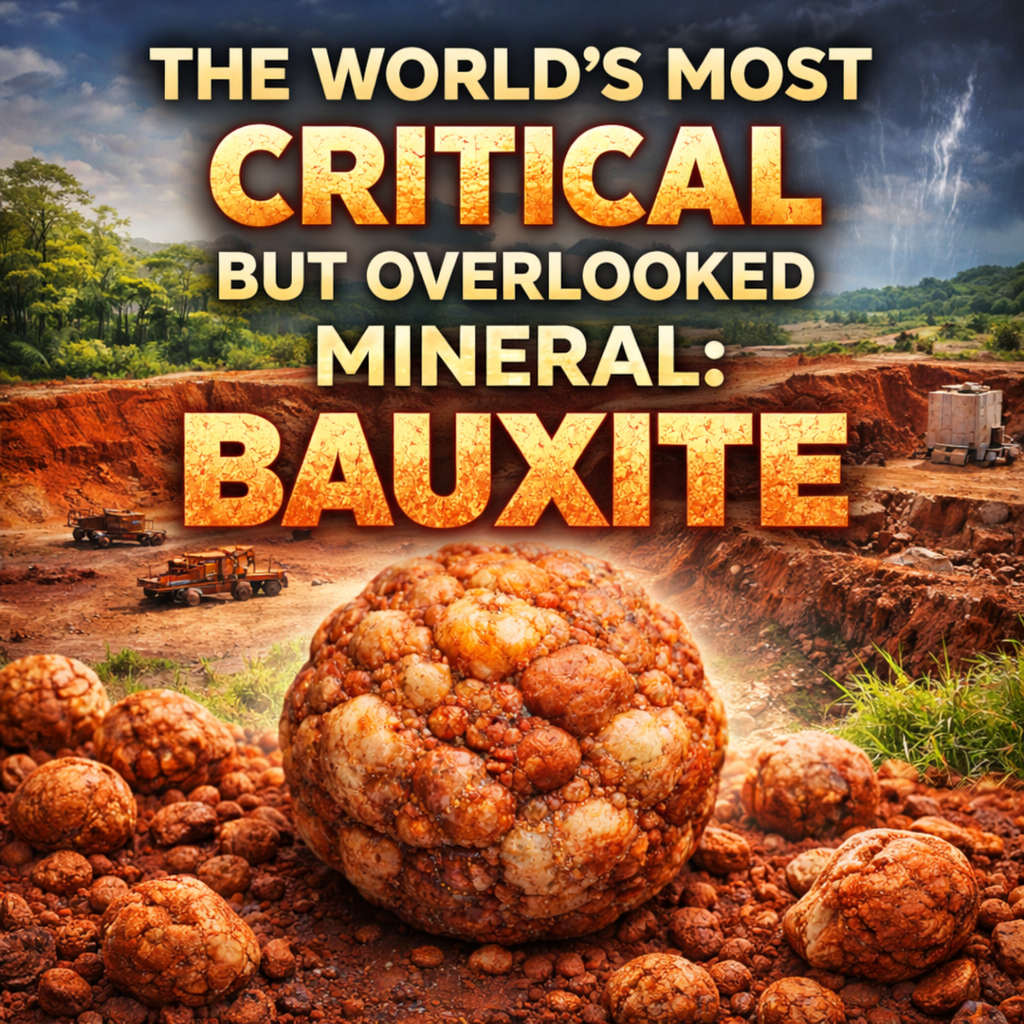
One of the World’s Most Critical (Yet Overlooked) Resources: Bauxite

Bauxite is one of the world’s most critical yet overlooked resources, forming the foundation of global aluminium production. This video explores the massive Weipa bauxite deposit in Queensland, Australia, and explains how lateritic weathering creates aluminium-rich ore over millions of years. Discover how pisolitic bauxite forms, why the deposit is still evolving today, and how this quiet resource powers modern infrastructure, renewable energy, and global industry.

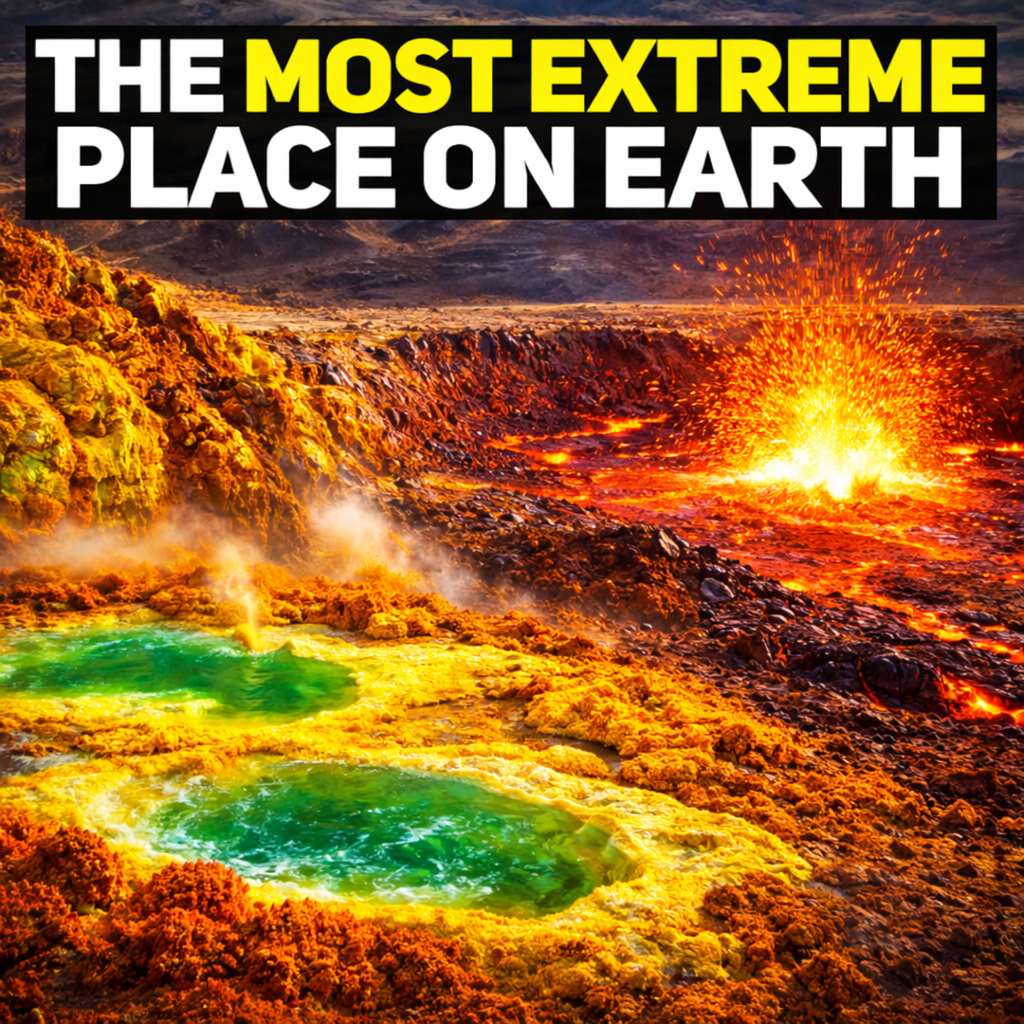
The Most Extreme Place on Earth: A True Geological Oddity

The Most Extreme Place on Earth: A True Geological Oddity

Discover why the Danakil Depression in Ethiopia is one of the most extreme and geologically insane places on Earth. Located in the Afar region, this alien landscape sits along an active continental rift where the African Plate is tearing apart. In this video, we explore mantle plumes, tectonic plate movement, volcanic activity, hydrothermal systems, and how this region represents the early stages of ocean formation. From the acid pools of Dallol to the lava lake at Erta Ale, this is Earth in its rawest and most violent state.

The 6 Trillion Dollar Discovery in Outback Australia

The 6 Trillion Dollar Discovery in Outback Australia

A six trillion dollar iron ore discovery in Western Australia isn’t about a new mine being found — it’s about a geological breakthrough that changed when the world’s largest iron deposits actually formed. New research into the Hamersley and Pilbara iron province shows that high-grade iron ore was upgraded far later than scientists once believed, reshaping models of banded iron formation alteration, ore genesis, and long-term resource potential. This article breaks down how the discovery was made, why the timing matters, and how deep tectonic processes, orogenic activity, and fluid flow turned ancient iron-rich sediments into the backbone of the modern global economy.

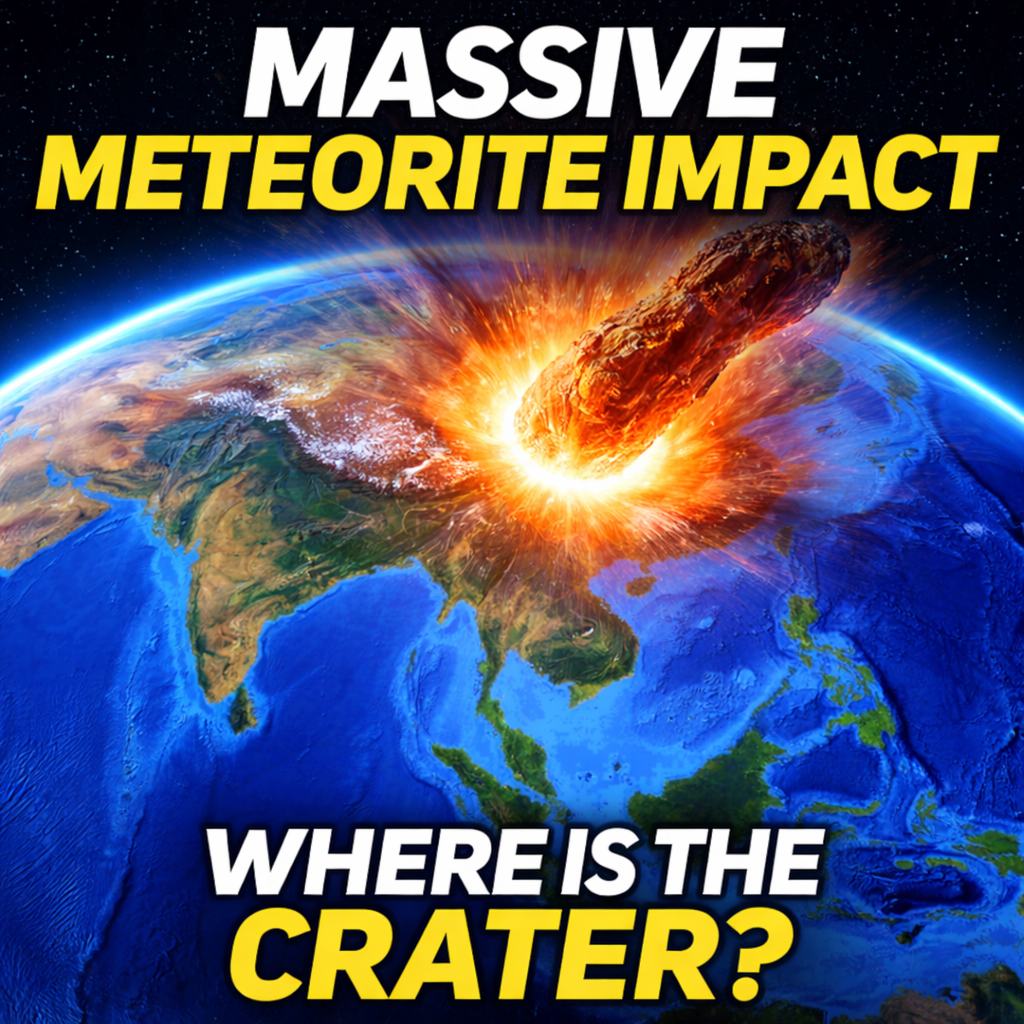
The Search for a Massive Meteorite Impact With No Crater

The Search for a Massive Meteorite Impact With No Crater

Less than one million years ago, a massive meteorite impact struck Earth and scattered molten rock across multiple continents, creating the Australasian strewnfield — the largest known tektite field on the planet. Impact glass from this event has been found from Southeast Asia to Australia and Tasmania, proving beyond doubt that a large asteroid or meteorite collided with Earth around 788,000 years ago. Despite overwhelming physical, chemical, and geological evidence, the impact crater has never been conclusively identified. This article explores how tektites form, why the Australasian strewnfield confirms a single enormous meteorite impact, and how sea-level change, volcanism, erosion, and tectonics may have erased or hidden one of the largest recent impact craters on Earth.

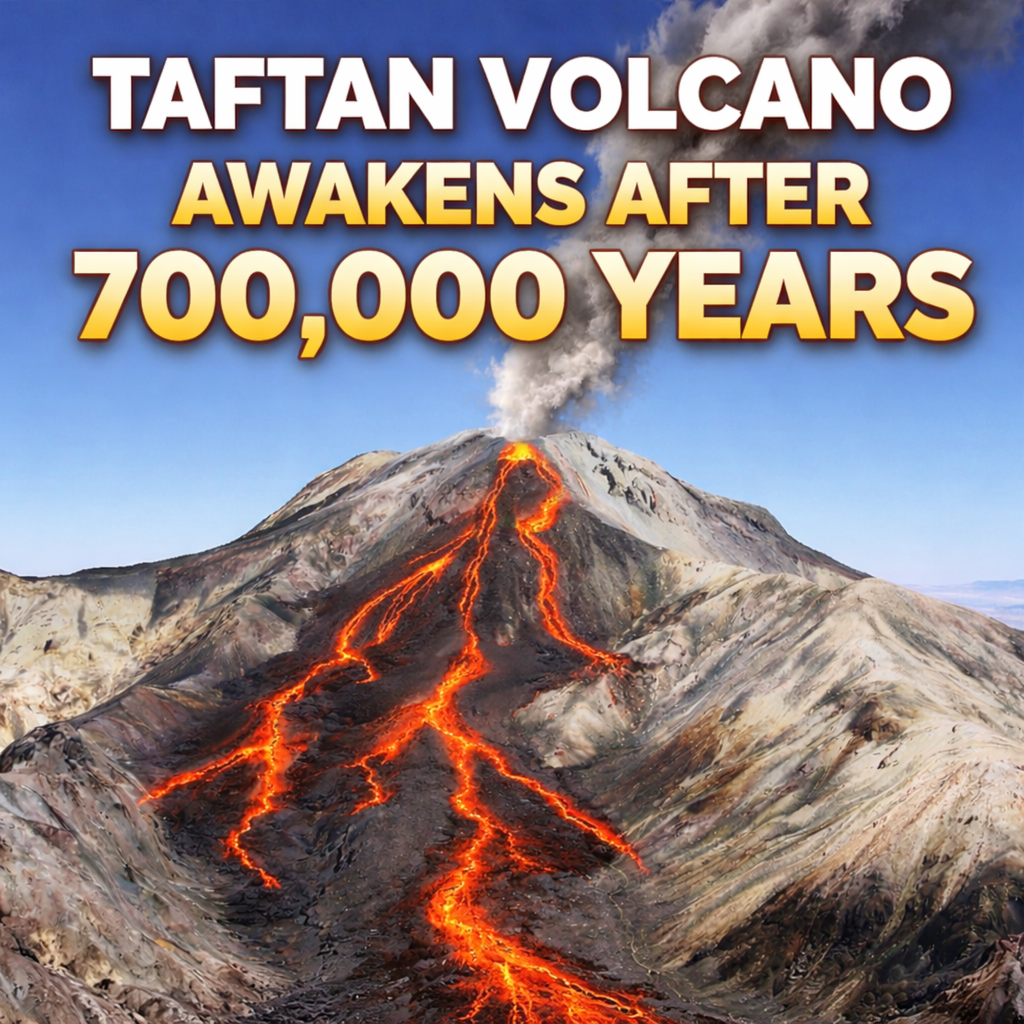
This Volcano Is Waking Up After 700,000 Years of Silence

This Volcano Is Waking Up After 700,000 Years of Silence

Taftan Volcano in southeastern Iran is showing signs of unrest after nearly 700,000 years of dormancy, with satellite data revealing ground uplift and renewed volcanic activity beneath the summit. This article explores why Taftan is waking up, how the Makran subduction zone continues to fuel the system, and what these changes tell us about long-dormant volcanoes that still sit above active plate boundaries.

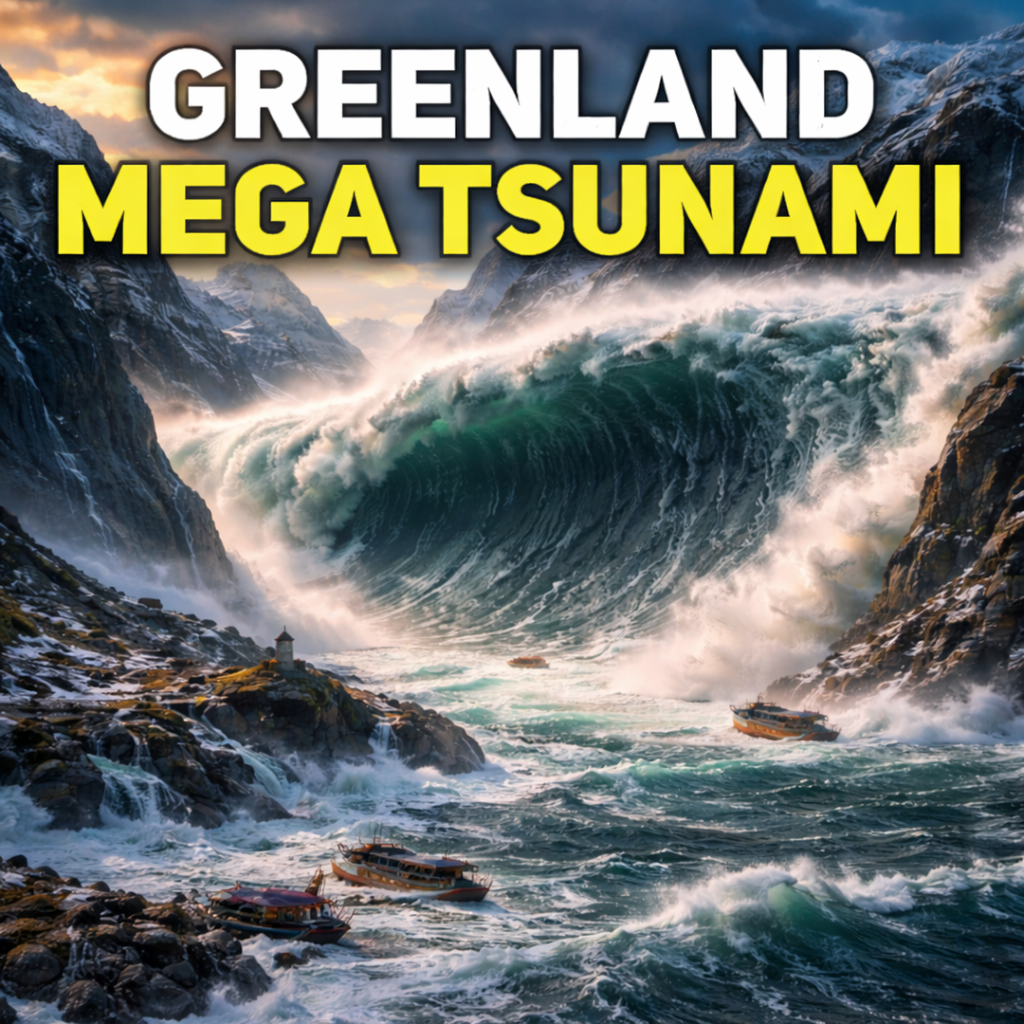
Why Mega Tsunamis Keep Happening in Greenland

Why Mega Tsunamis Keep Happening in Greenland

Mega tsunamis in Greenland are no longer rare geological anomalies. In recent years, massive landslides collapsing into narrow fjords have generated waves hundreds of metres high, including the 200-metre Dickson Fjord tsunami that caused the Earth to vibrate for days. This article explores how and why these Greenland mega tsunamis occurred, what damage they caused, and why warming temperatures, melting glaciers, and destabilised slopes mean similar events are likely to become more common in the Arctic and beyond.

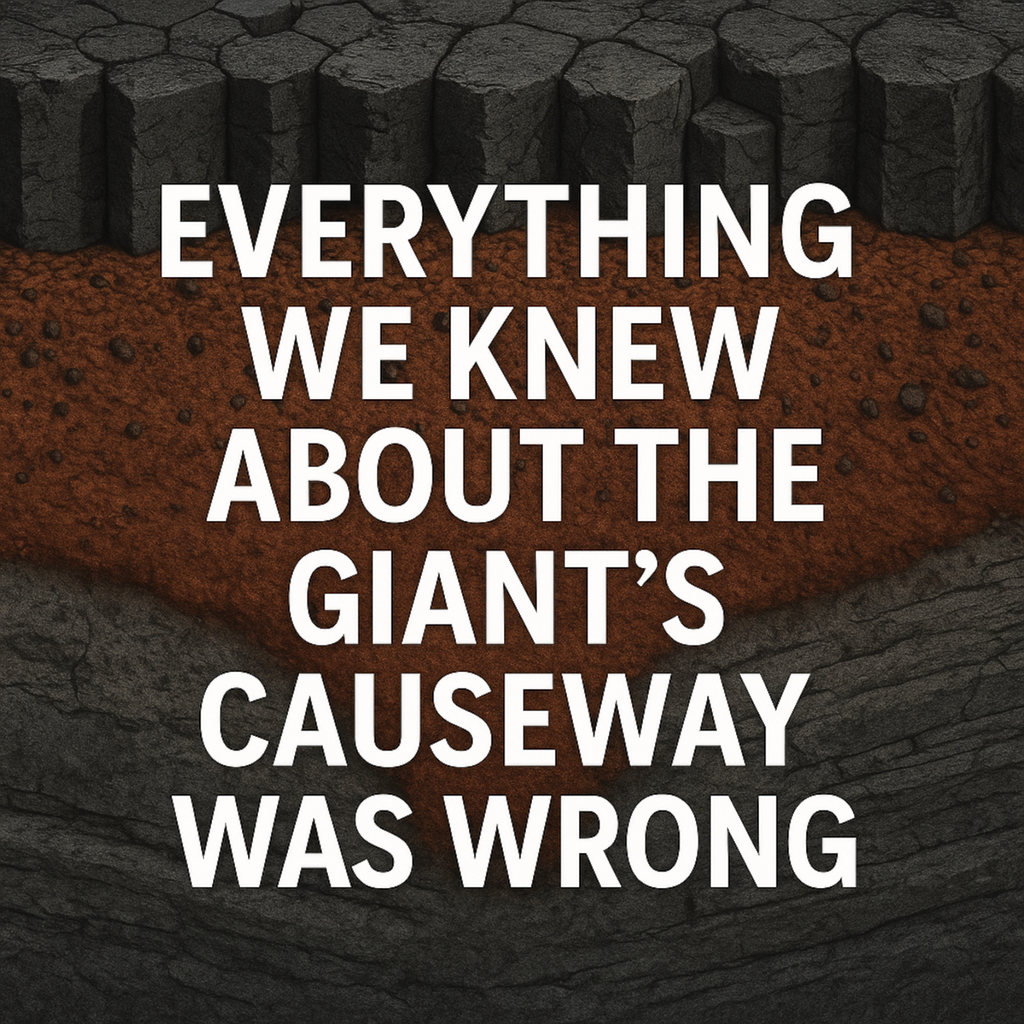
Everything We Knew About The Giant's Causeway Was WRONG

Everything We Knew About The Giant's Causeway Was WRONG

For decades, the Giant’s Causeway was explained as a simple case of lava cooling in a river-carved valley — but new geological evidence rewrites that story entirely. Beneath the iconic basalt columns lies a hidden record of magma chamber collapse, rapid subsidence, and a volcanic event far more dramatic than the traditional explanation ever suggested. This article breaks down the new science behind the Causeway’s formation, the clues geologists uncovered in the laterite layer, and why everything we thought we knew about this landscape has now changed.

The Big Lie About Rare Earth Elements: They’re Not Rare at All!

The Big Lie About Rare Earth Elements: They’re Not Rare at All!

Rare earth elements aren’t as rare as their name suggests. In this blog, we explore why these critical metals are abundant in the Earth’s crust yet difficult to mine in economic concentrations. Learn how unique geological processes in carbonatite and peralkaline rocks create the few rare earth deposits on the planet, and why their scarcity lies not in their chemistry, but in the extraordinary conditions required to concentrate them.

Translation missing: en.general.search.loading