Australia’s Most Overlooked Geological Oddity: Jarnem Keep

Australia’s Most Overlooked Geological Oddity: Jarnem Keep

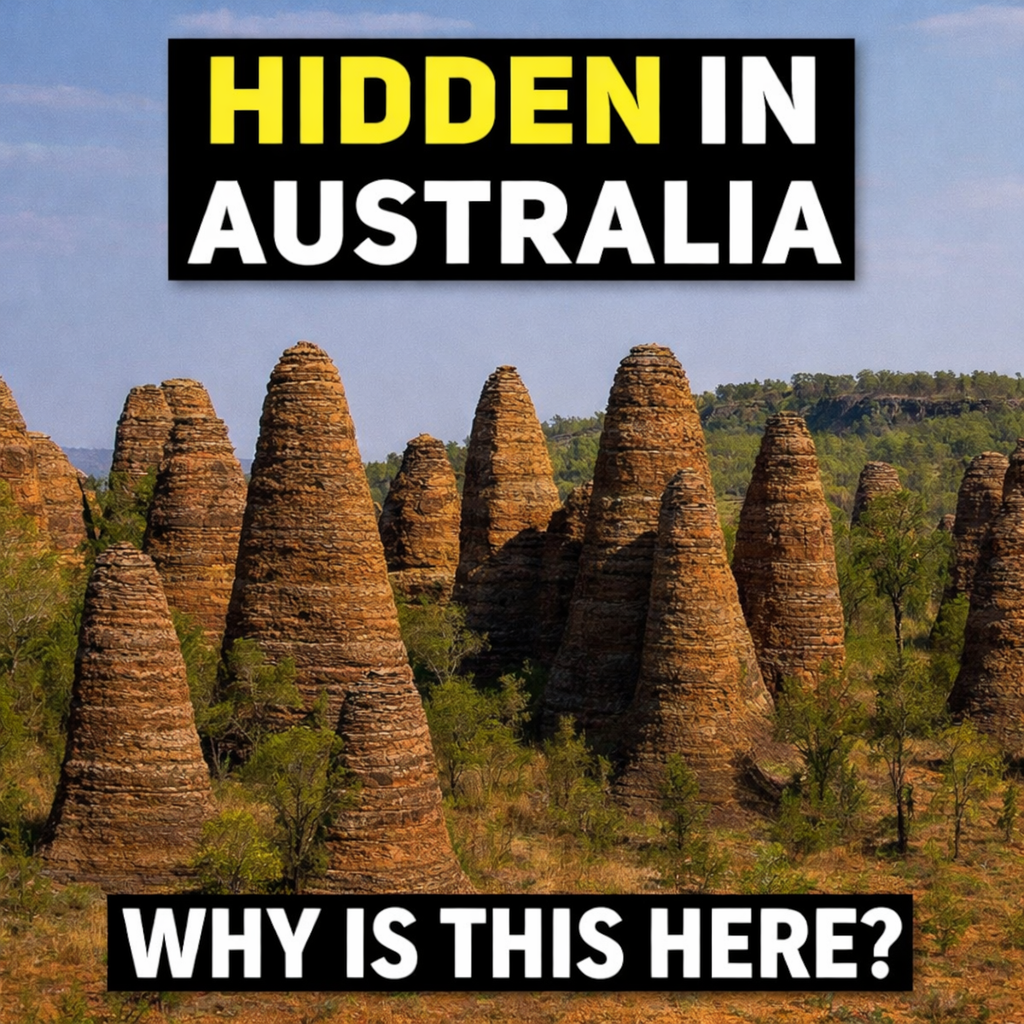
Hidden in the far north of Australia is one of the continent’s most overlooked geological oddities. Near Jarnem in the Northern Territory, a field of sandstone pinnacles and dome-shaped rock formations rises from the landscape, forming what looks like a ruined stone city carved by design. These formations are not man-made and are not related to Australia’s famous limestone Pinnacles or the Bungle Bungles, despite their visual similarity.

Formed from Devonian to Early Carboniferous sandstones more than 300 million years ago, the Jarnem Keep landscape represents the remains of an ancient sandstone surface that once stretched across northern Australia. Over millions of years, deep chemical weathering weakened the rock before erosion stripped away vast volumes of stone, leaving behind isolated towers, ridges and domes. This landscape is defined by erosion and loss rather than construction, making it one of Australia’s most unusual geological environments.

Today, Jarnem Keep stands as a rare example of a landform shaped by subtraction, where the spaces between the pinnacles tell as much of the geological story as the rocks themselves. It is a hidden geological landmark that reveals how climate, erosion and time can quietly erase entire landscapes while leaving behind only their strongest remnants.

The Unique Meteorite Crater in Australia

The Unique Meteorite Crater in Australia

Hidden in the rugged red heart of Western Australia lies the Dalgaranga Crater, the world’s rarest meteorite crater and the only confirmed impact site created by a mesosiderite meteorite. This tiny but extraordinary feature, just 24 metres wide, formed when a rare stony-iron space rock struck the ancient granite of the Yilgarn Craton. Unlike any other crater on Earth, Dalgaranga provides scientists with a window into the violent history of our solar system and the cosmic forces that shaped it.

Australia's Ancient Himalayan Size Mountain Range: The Petermann Ranges

Australia's Ancient Himalayan Size Mountain Range: The Petermann Ranges

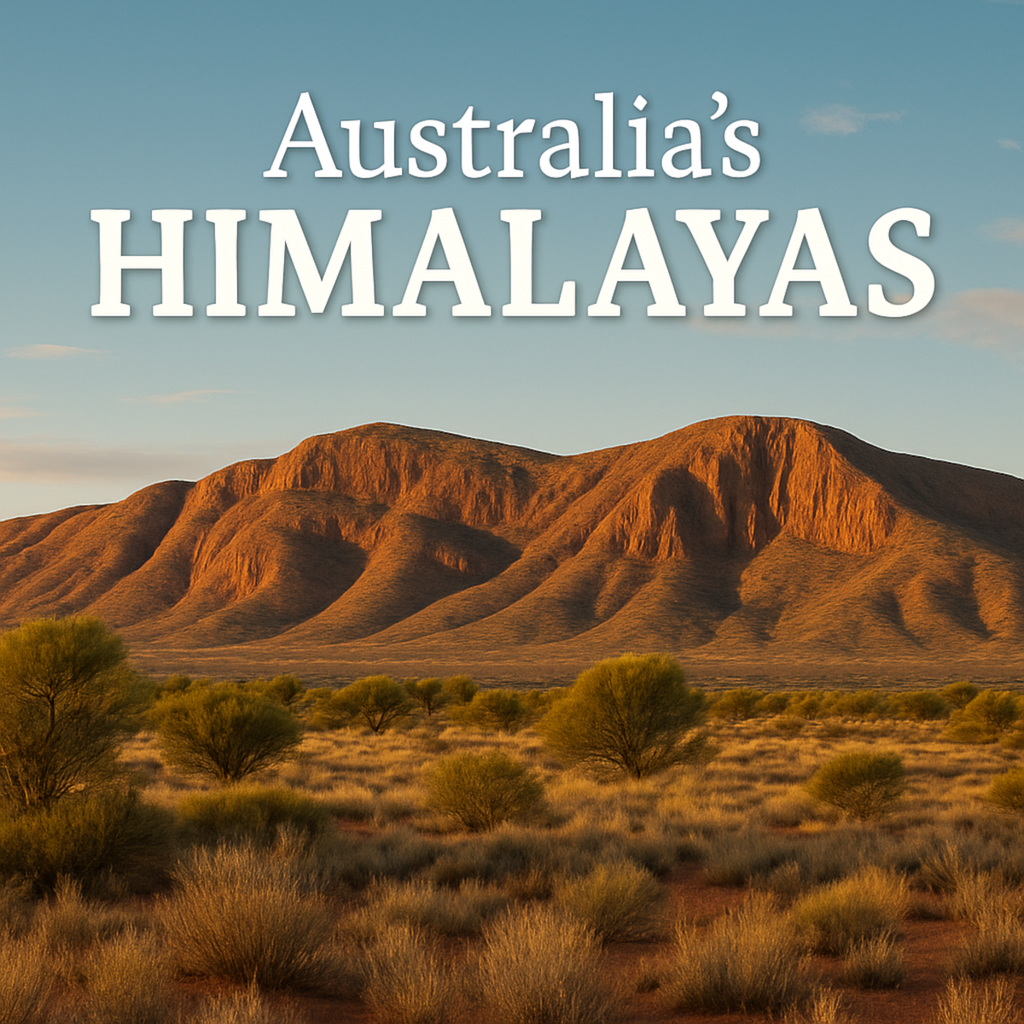
Hidden deep in Australia’s Red Centre, the Petermann Ranges are among the oldest mountain chains on Earth. Formed over 550 million years ago during the Petermann Orogeny, these rugged ranges tell the story of massive geological forces that once rivaled the Himalayas.

Unlike more familiar mountain belts, the Petermann Ranges are remnants of an intra-continental collision—where central Australia buckled under pressure from opposing landmasses. Today, these low-slung yet striking ranges offer a rare glimpse into Proterozoic tectonics, metamorphic belts, and some of the oldest exposed rocks on the continent.

Geology enthusiasts visiting this region will find ancient gneisses, granulites, and evidence of intense crustal uplift, all surrounded by sweeping desert landscapes.

Australia's Himalayan Mountains: The Geological Story of the Petermann Ranges

Australia's Himalayan Mountains: The Geological Story of the Petermann Ranges

Beneath the red dust of central Australia lies the forgotten story of a vanished mountain range that once rivaled the Himalayas. The Petermann Ranges, now little more than subdued ridges near the Northern Territory’s western edge, were born from a violent geological upheaval over 550 million years ago during the Petermann Orogeny. This intraplate orogeny shattered the ancient crust of the Musgrave Province, thrusting deep rocks skyward and forming east–west mountain chains across Australia’s interior. But just as quickly as they rose, these mountains were torn down by erosion, leaving behind iconic sedimentary features like Uluru and Kata Tjuta — geological monuments built from the debris of those lost peaks. Explore how tectonic forces, sedimentation, and time shaped one of Australia’s greatest but least known geological epics.

Translation missing: en.general.search.loading